The World's Deadliest Animals

Over at Maine Crime Writers today I have a post about one of the most macabre books I have read in years. Gordon Grice's The Book of Deadly Animals is a bestiary of every large (meaning: bigger than a microbe) creature ever known to predate on human beings. It's full of amazing factoids like this one:


  • The most formidable large predator in the world is the orca, or killer whale, which has been known to rip the tongues out of blue whales for the sheer hell of it, leaving the peaceful giants to bleed to death; leap onto the land to snatch a sunbathing seal; and holdgreat white sharks out of the water to “drown” the gill breathers in the air (before eating their livers).


As a mystery author who writes about game wardens—and therefore animals—this kind of trivia is like catnip. Click on over for my full review of this gruesome and gripping book.

A Warden's Workload

At DownEast.com, George Smith has an informative post about the range of duties that occupied Maine game wardens' days during the past year. As I note in all my books, wardens have a diverse set of responsibilities that change with the season and the weather. The job is never boring, to say the least, and the ever-changing assignments certainly offer good material for a crime novelist. It's worth reading George's entire post (which provides historical context), but the recent numbers themselves tell a surprising story. 

In 2011 Maine wardens spent:

  • 30.1 percent of their time on hunting, trapping, and wildlife enforcement
  • 20.9 percent on fishing enforcement
  • 13.8 percent watercraft enforcement
  • 10 percent administration
  • 7.2 percent ATV enforcement
  • 6.2 percent snowmobile enforcement
  • 3.7 percent search and rescue
  • 3.3 percent training
  • 1.6 percent general law enforcement
  • 1.3 percent wildlife/human conflicts
  • 1.1 percent assisting other agencies
  • .8 percent aviation

To me the big suprise was how little time the Warden Service spent on search and rescue, considering the amount of media coverage it gets in the state of Maine. Then again, one has to admit that "administration" doesn't make for gripping TV news segments.

"Vacationland"

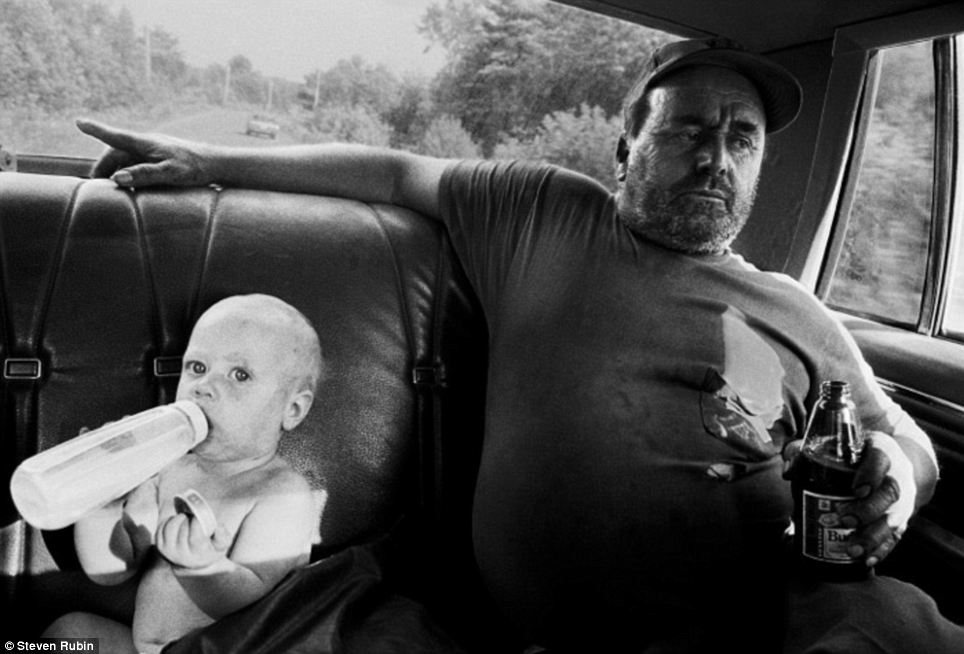
Over at MaineCrimeWriters today I have a post about the parts of Maine tourists rarely see, the backwoods trailer compounds and falling-down farmhouses. Carolyn Chute wasn't the first author to shine a light on my home state's hidden poverty. But she certainly got the attention of the reading public with The Beans of Egypt, Maine. And she remains an influence on my work. (My forthcoming novel, Bad Little Falls, is a tribute to her early books.) Meanwhile, photographer Steven Rubin is winning raves for a series of photographs he has taken in rural Somerset County, where The Poacher's Son mostly takes place. His pictures are absolutely haunting.

Moose Bones

My wife and I went birding today in the woods near Weskeag marsh (the real place that inspired the tidal creek where Mike Bowdich lives in The Poacher's Son and Trespasser) and we came across the partial skeleton of a moose. The bones had been picked clean. They had obviously been there a while.